Available Pigs
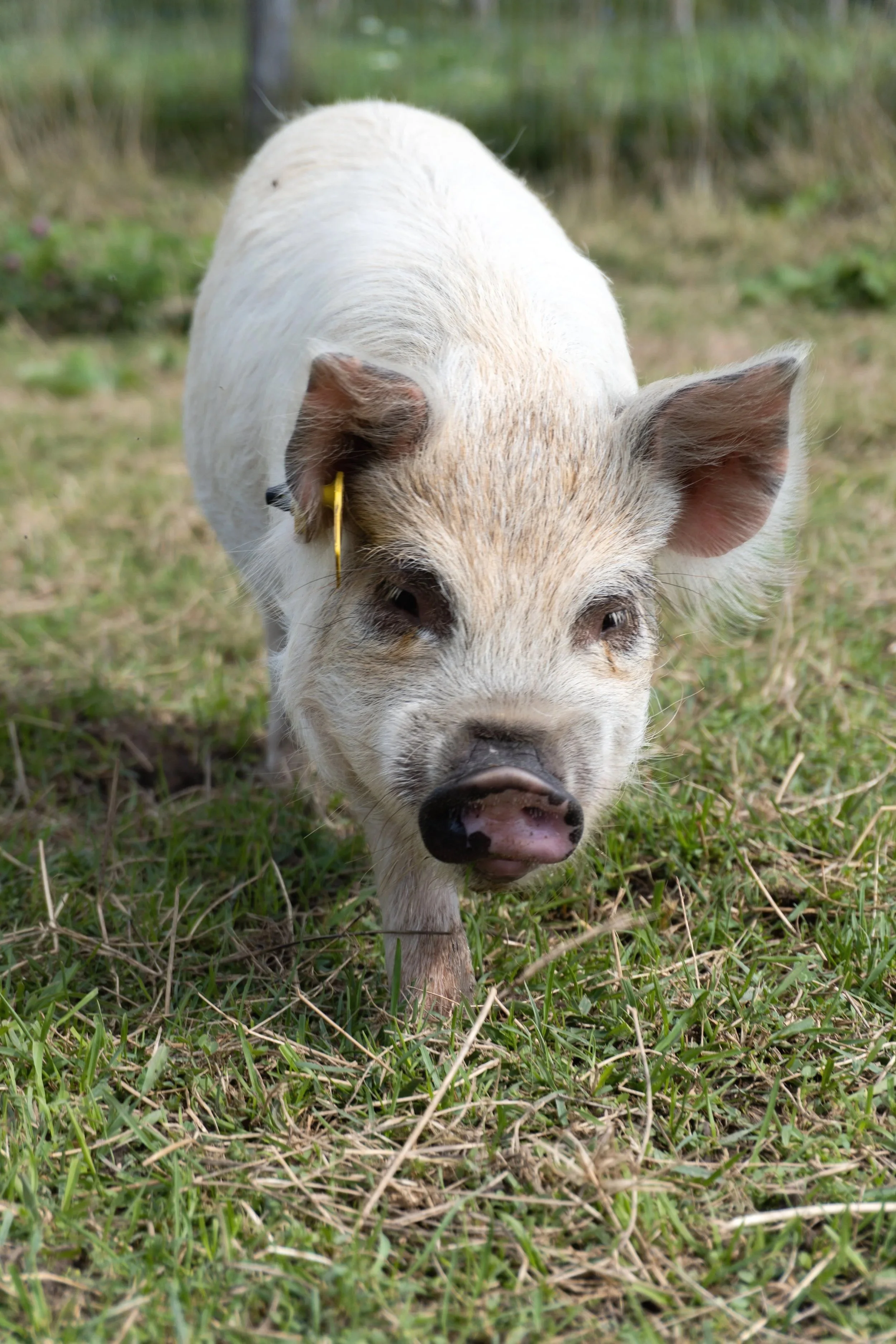
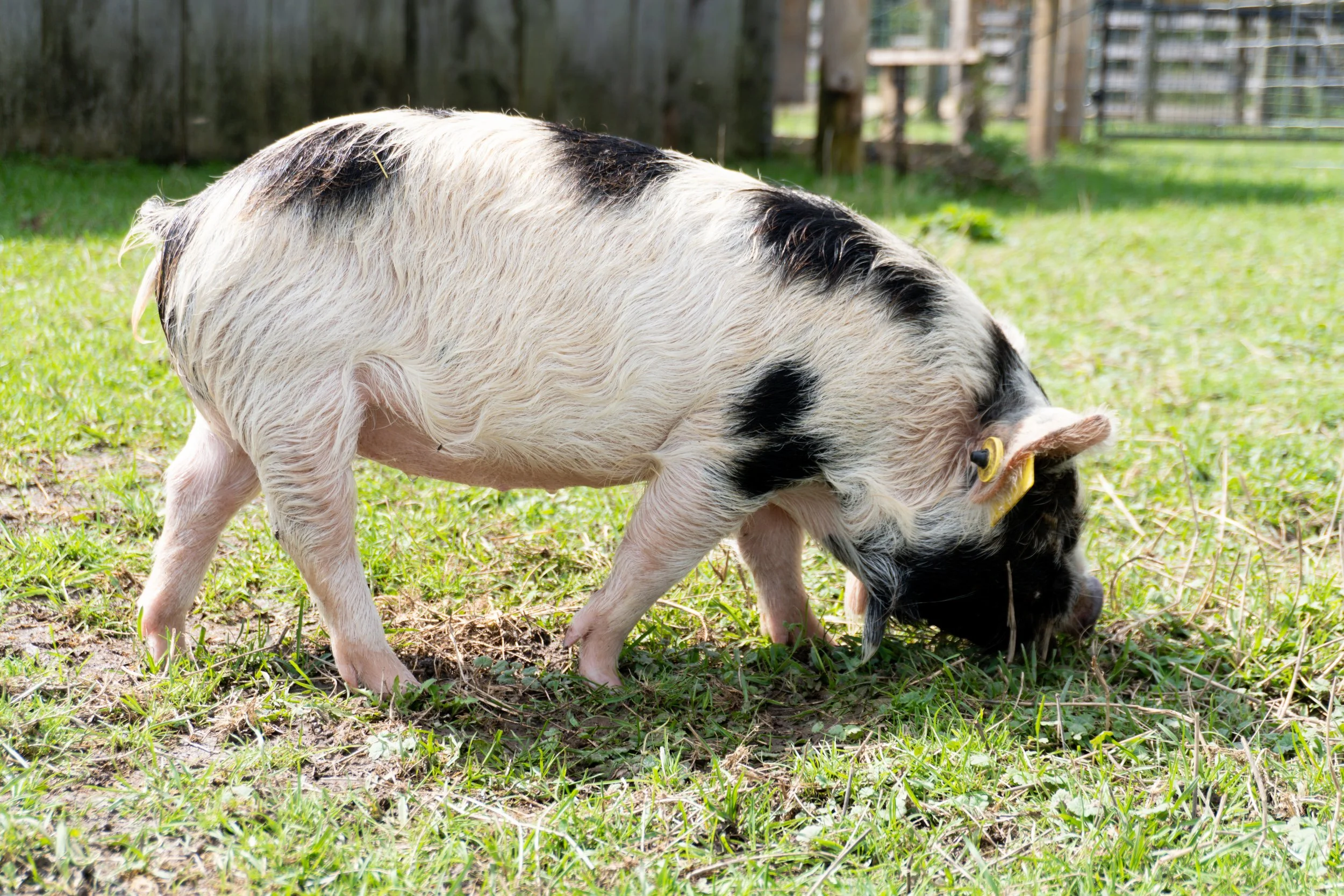
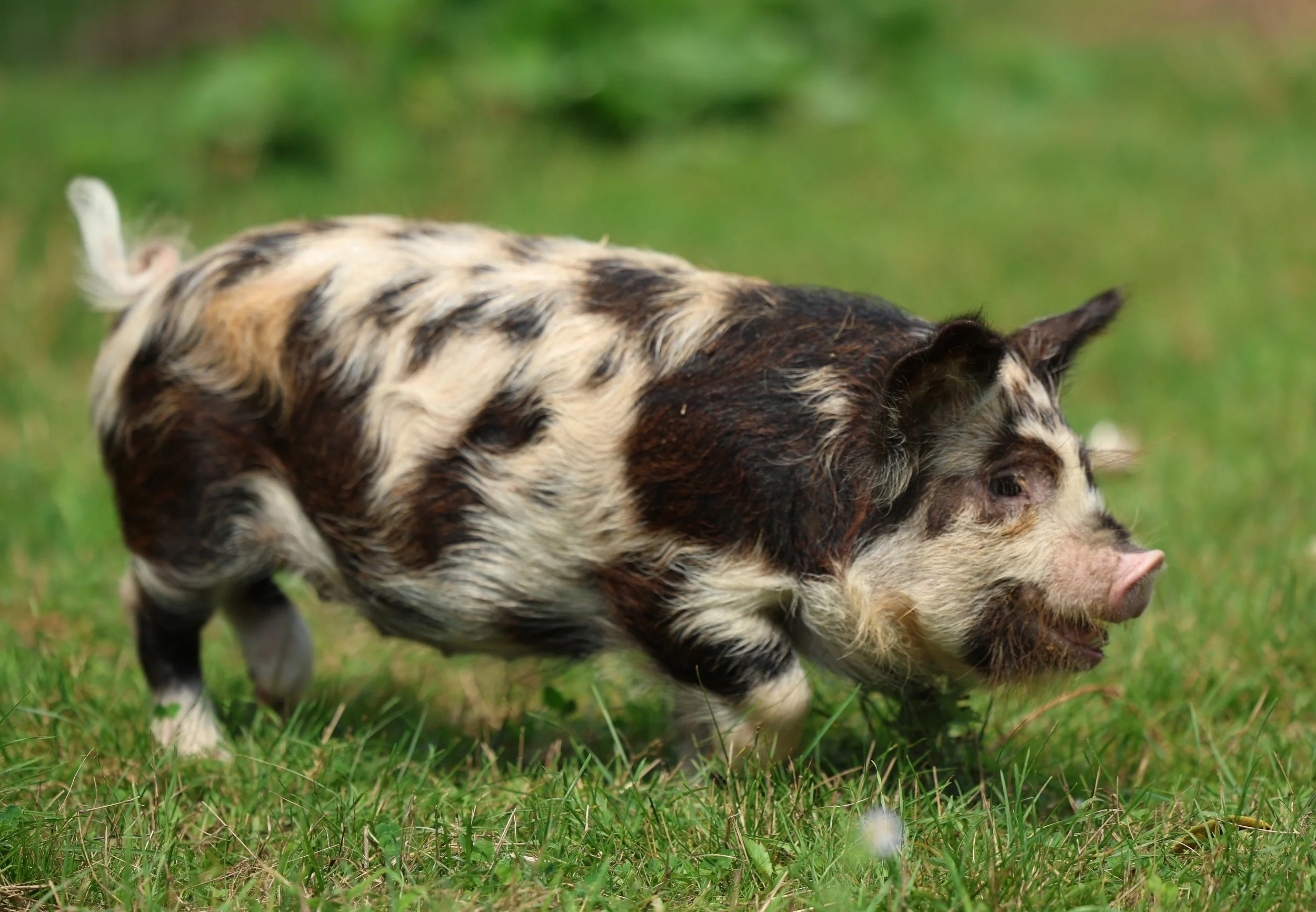
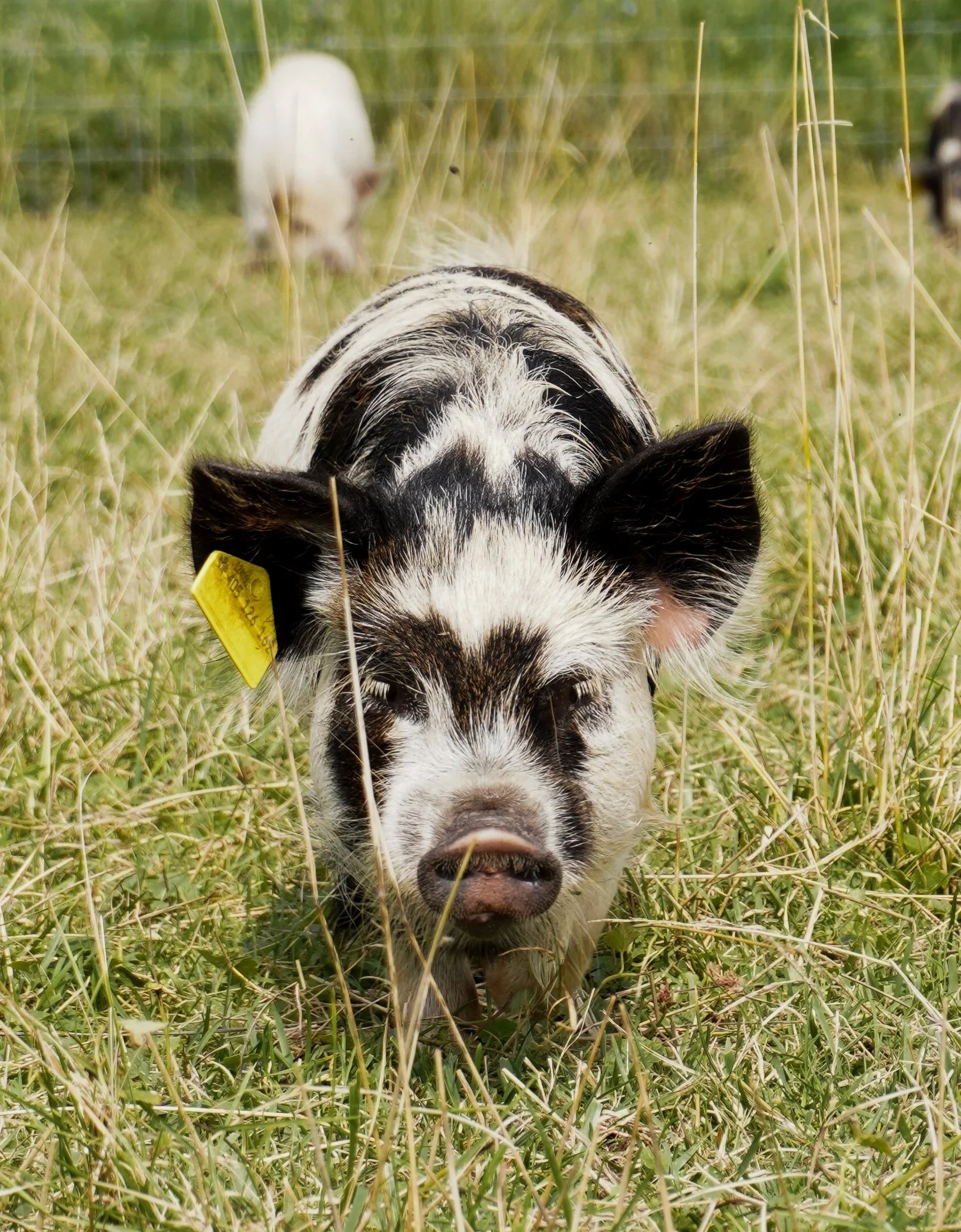
As Kune Kune piglets grow and develop they change quite a bit between their actual birth and weaning at between 8-10 weeks of age. We take our time getting to know each individual as they grow and develop to ensure we understand which home/use each pig would be best suited for whether it’s - breeding potential, pets, or meat quality. Once classified we help buyers choose the best fit for their goals.
Currently Available Pigs
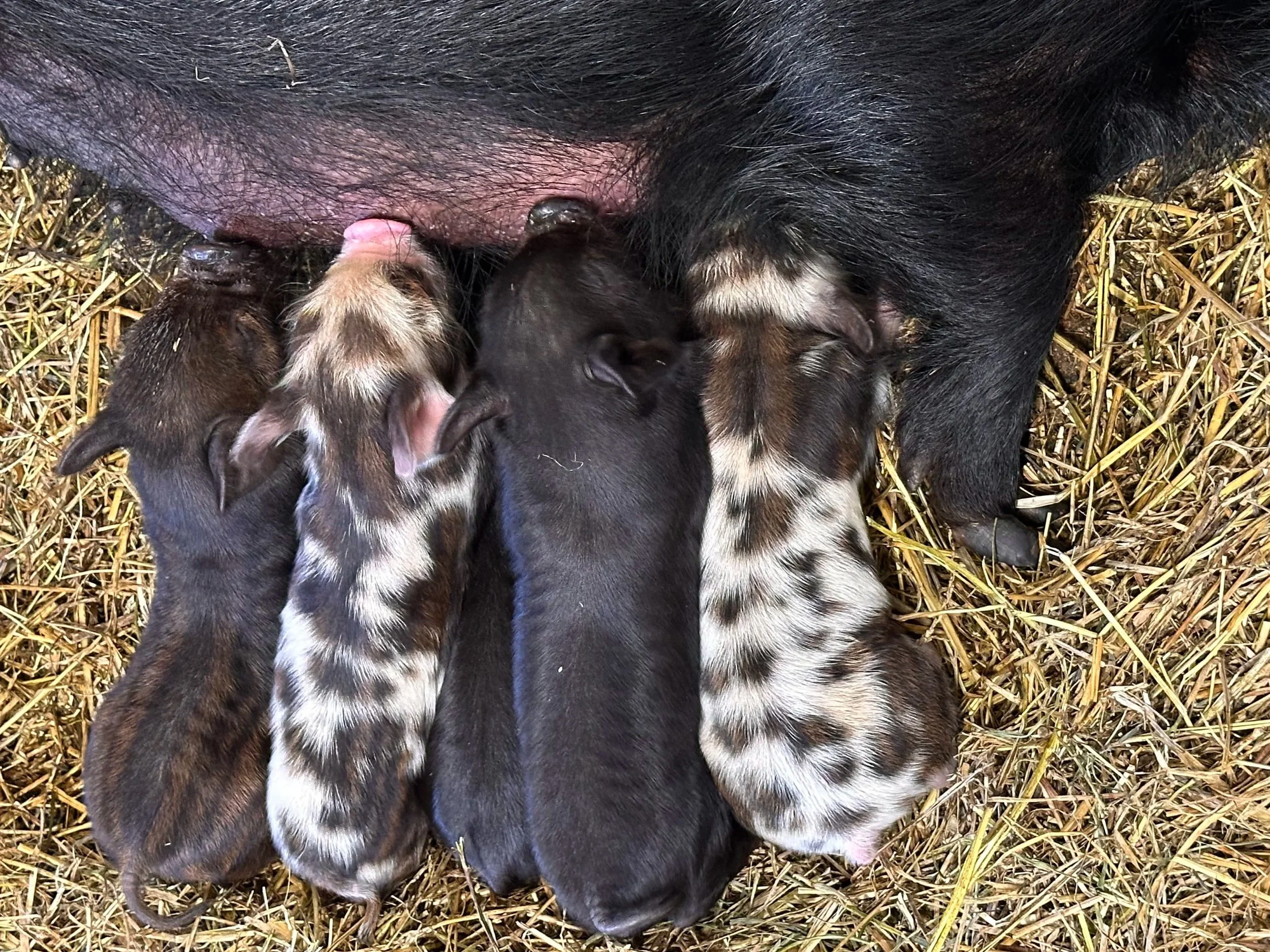
Our mission with this program— raise Kunekunes for both their heritage value and their quality meat, lard, and by-products.
Why KuneKunes?
KuneKunes are a small friendly, mature-based heritage breed known for their gentle nature and ability to thrive on grass. They’re excellent grazers and often don’t require much grain once mature. This makes them ideal for small farms and homesteads
Proud members of..
American KuneKune Pig Society

Health and Breeding
All of our breeding quality pigs are DNA verified, AKKPS registered and up to date on vaccinations and deworming. They come with a health and breeding guarantee plus ongoing support.
Currently Available Pigs
We are currently accepting deposits on our litter that is on the ground. Our 2026 Easter babies are available for buyers, or join our waitlist for next year’s litter by emailing us at info@ravenwoodfarmandstable.com
Frequently Asked Questions
Frequently Asked Questions
-
Kunekunes are a small, friendly, pasture-based heritage breed known for their gentle nature and ability to thrive on grass. They’re excellent grazers and often don’t require much grain once mature, making them ideal for small farms and homesteads.
-
Adult Kunekunes typically weigh between 200–350 lbs and stand 24–30 inches tall. They’re one of the smallest true pig breeds, making them easy to handle and manage.
Do Kunekunes root or damage pasture? Kunekunes are naturally light grazers. They prefer grass and forbs and rarely root unless pasture quality is poor, the ground is especially wet, or they’re bored or lacking minerals. In most cases, this is a temporary behaviour that they outgrow. Additionally, they are more prone to “sod flipping” than deep rooting.
-
A 3–4 strand electric fence or sturdy woven wire works well. Kunekunes respect fencing if trained to electric from a young age. We use a combination of electric netting, electric strands, woven wire and/or hog panels. Kunekunes are generally very respectful of fences.
-
Kunekune pigs need a balanced diet to thrive. Although they can survive on quality pasture as their main diet, they should also be fed a standard pig ration. In winter or drought, supplement with hay. Always provide fresh water. Fruits and vegetables and garden overflow are great treats for kunekunes!
-
Follow a regular deworming and vaccination schedule based on your veterinarian’s recommendations. Most herds do fecal checks and vaccinate annually.
-
Yes — they need a dry, draft-free shelter year-round. In summer, they need shade and a wallow; in winter, deep bedding helps them stay warm.
-
With good care, Kunekunes can live 12–15 years or more.
-
About 116 days — three months, three weeks, and three days.
-
Typical litters range from 6–10 piglets, depending on genetics and management.
-
We evaluate them around 8-10 weeks old before classifying as breeding, pet, or meat quality.
-
Yes — they’re excellent mothers and often farrow naturally with proper shelter and bedding.
-
Yes — all breeding-quality Kunekunes are DNA verified and AKKPS registered, and come with a health and breeding guarantee plus ongoing support.
-
Breeding-quality pigs meet conformation and genetic standards for registration. Pet-quality pigs may have minor faults but make wonderful companions and grazers.
-
In many cases, yes! Once piglets are weaned and classified, we help buyers select individuals that best fit their needs.
-